
Should You Create a Language Learning Social Media Account? Is a “Langstagram” Worth It?
Quick question: Have you ever used social media to learn a new skill, find inspiration, or connect with people who share your interests?
I know I have!

It’s hard to ignore it, but social media has become a pretty common part of our everyday lives. And while it’s easy to open up Instagram, TikTok, Facebook, and X to scroll through memes or catch up with friends, they can also be surprisingly useful tools for language learners.
From following native speakers and discovering new vocabulary to finding language exchange partners and connecting with learners around the world, social media accounts can be powerful tools for your language journey.
In fact, some language learners take advantage of this by creating entirely separate social media accounts dedicated to their target languages.
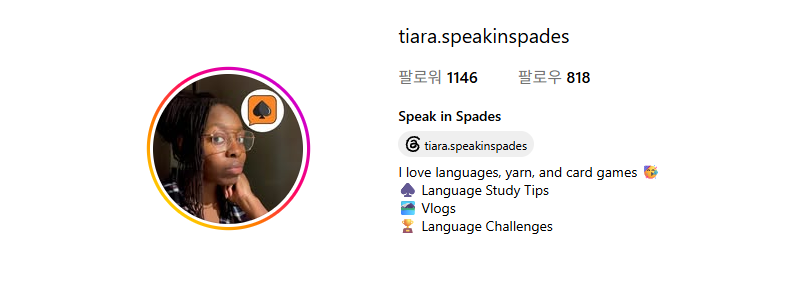
But here’s the thing: is that really necessary?
Should you create a new social media account for language learning, or can you get the same benefits from your existing profile?
Let’s talk about it!
What Is a Language Learning Social Media Account?
A language learning social media account is a profile dedicated to sharing, discovering, and interacting with content related to a particular language or language-learning journey.
You might have seen the hashtag #langstagram, which is originally a combination of the words language and Instagram. It’s often used to describe Instagram accounts created specifically for language learning.
However, the idea isn’t limited to Instagram. Language learners create dedicated accounts on just about every platform to:
- Follow native speakers and language-learning content creators.
- Discover vocabulary, expressions, and cultural information.
- Share their study routines and language-learning progress.
- Practice writing in their target language.
- Receive corrections, feedback, and encouragement.
- Connect with other language learners and potential language exchange partners.

Some people, including me, even create their own content, including vocabulary challenges, language-learning memes, mini lessons, and study updates.
Essentially, it’s a way to turn your social media experience into something that supports your language-learning goals.
And honestly, wouldn’t you want to create an alter-ego along the way?
Popular Social Media Platforms for Language Learners
One of the best things about using social media for language learning is that you don’t necessarily need to join a new platform. You can start with the apps you’re already using!
Here are a few places where language learners can find inspiration, resources, and opportunities to connect.
1. Instagram: The Langstagram Community
#langstagram is probably one of the most recognizable terms associated with language-learning social media accounts.
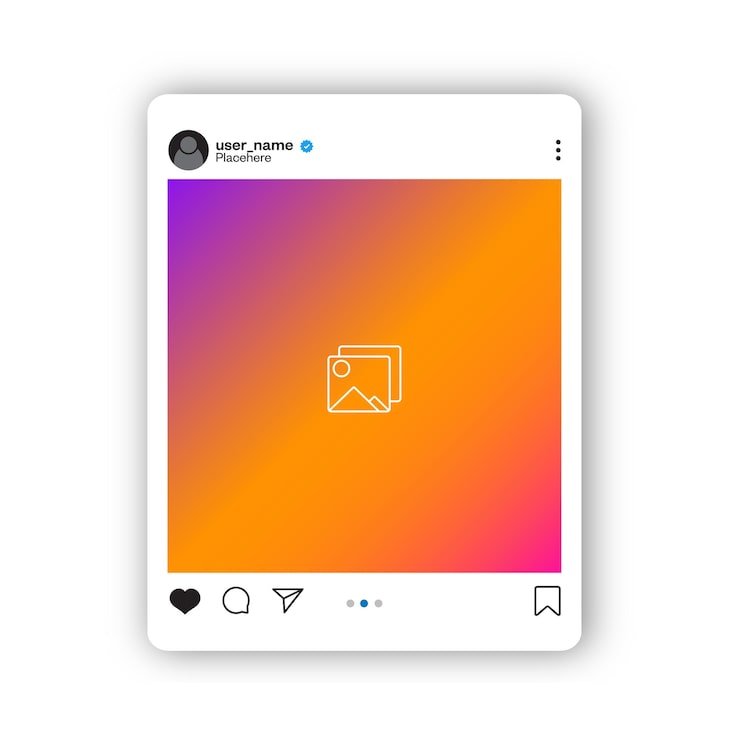
Instagram offers plenty of opportunities to discover language-related content and polyglots with unique input on the language learning process.
It’s also a great place to document your own learning journey.
You can share the new words you’ve learned, write short captions in your target language, participate in community challenges, or simply connect with people who are studying the same language.
One of my favorite things about this platform is the variety of ways you can use your account to connect with others. Learners and teachers alike are finding ways to share language content in fun and interesting ways while making language learning part of their everyday lives.
What’s even better is, you don’t have to be fluent to participate! Sharing your progress, asking questions, and making mistakes are all part of the experience.
2. Facebook Groups: Finding Your Language Community
If you’re someone who enjoys participating in discussions and connecting with people through shared interests, Facebook Groups might be worth exploring.
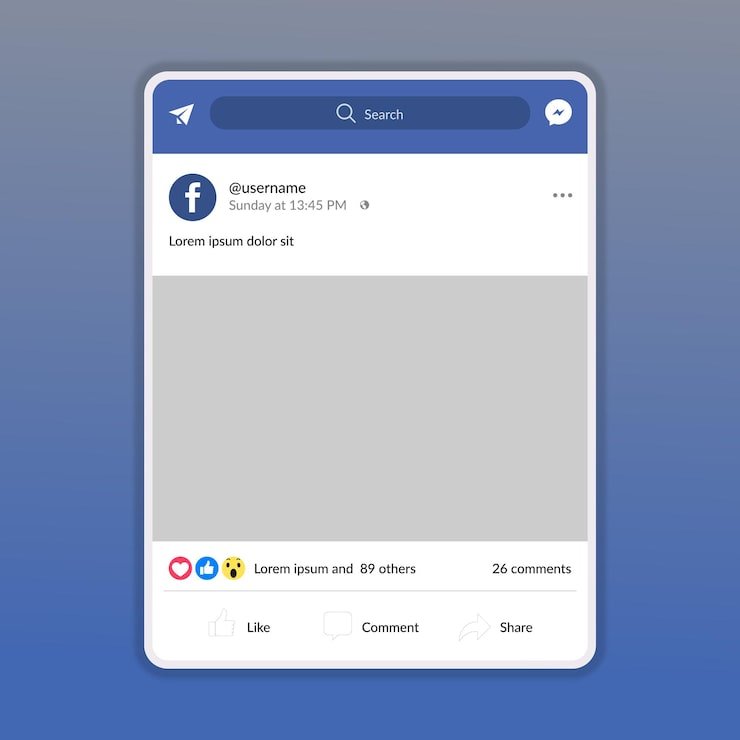
There are tons of communities dedicated to specific languages, learning methods, and cultural interests.
Depending on the group, you might find:
- Language exchange opportunities.
- Study resources and recommendations.
- Vocabulary and grammar discussions.
- Questions and answers from native speakers.
- Online events and conversation meetups.
Unlike simply following an account and scrolling through its content, joining a group from the beginning can give you space to interact with other learners and make friends online.
NOTE: Some groups are public, while others require you to request membership.
My advice?
Join a few communities, and look for communities that encourage actual participation rather than just sharing promotional content. A good language-learning community should give you opportunities to learn from and interact with other people.
3. X (Formerly Twitter): Practicing Through Short Conversations
Compared to some other social media platforms, X has traditionally placed a strong emphasis on short, text-based conversations.

For language learners, this can be a great opportunity to practice writing without having to produce lengthy paragraphs or formal essays.
You can follow native speakers, read everyday conversations (and even news updates), share short content in your target language, and interact with people discussing topics that interest you.
You should also check out X Spaces, which allows users to host and join live audio conversations.
These conversations can cover practically anything, including language learning, culture, hobbies, and everyday life. Depending on the Space, you may be able to participate as a listener or request an opportunity to speak.
If you’re interested in practicing listening comprehension or getting more comfortable hearing people speak spontaneously, these types of conversations can be a fun addition to your learning routine.
You can learn more about the feature through X’s official Spaces guide.
4. TikTok and YouTube: Learning Through Short Videos
Although these platforms aren’t always associated with the traditional idea of a language-learning community, they’re fantastic places to discover language content.
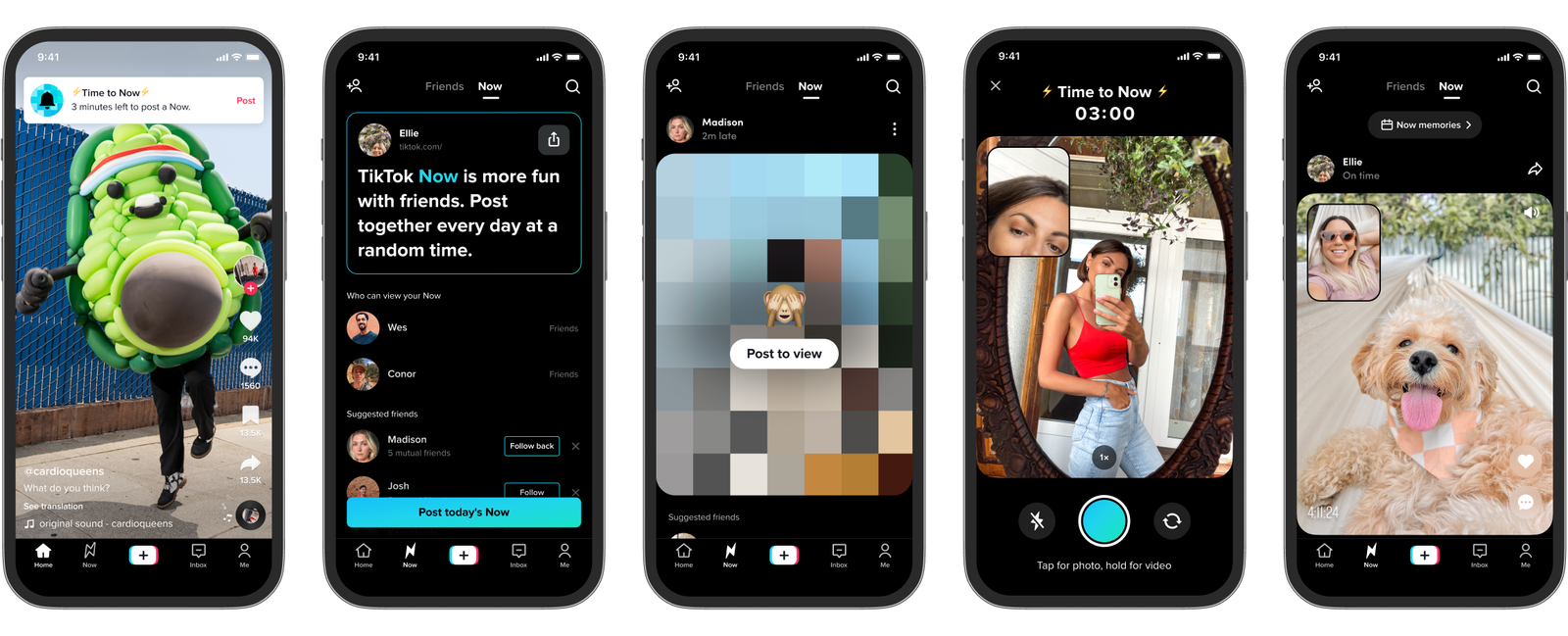
You can find native speakers sharing everyday expressions, teachers explaining grammar, creators discussing cultural differences, and expats documenting their experiences abroad.
Short videos can introduce you to expressions and pronunciation patterns that you might not encounter in your usual study materials.
You can also use longer videos to explore subjects you’re genuinely interested in, giving yourself the opportunity to listen to your target language while learning something new.
The key here is to be intentional about the content you consume. Following creators who speak your target language or discuss topics you enjoy can help make your feed a little more useful.
How to Use Social Media for Language Immersion
Here’s something I think is important to remember: Following language-learning accounts isn’t the same as actively learning a language.
It’s easy to spend an hour scrolling through vocabulary posts, watching videos, and saving interesting expressions without actually remembering or using any of them.
That’s why I encourage learners to think about social media as an active participation space rather than just passive consumption.
Here are a few ways to get more out of your social media experience:
1. Follow native speakers, not just language teachers.
Educational content is great, but following people who naturally use your target language can expose you to everyday expressions, slang, humor, and different ways of communicating.
2. Interact with the content you discover.
Leave a comment, answer a question, or participate in a discussion using your target language. Even writing a short response gives you an opportunity to practice putting your thoughts into words.
3. Create your own content.
You don’t need to become a language influencer! Try writing a short caption about your day, sharing a new expression you’ve learned, or recording a quick video introducing yourself.
Creating content encourages you to think about how you want to express yourself rather than simply recognizing words that someone else has written.
4. Connect with other learners.
Find people who are studying your target language and exchange resources, experiences, and encouragement. Even better, search for language challenges and join some!
Having someone to share your progress with can make the journey feel a little less lonely.
5. Explore content beyond language learning.
This is one sounds intimidating, but it can actually be the most fun out if this list!
Follow accounts related to your hobbies, favorite foods, music, travel destinations, or other interests. After all, language is something we use to talk about the things we enjoy, not just something we study.
Should You Create a Separate Language Learning Account? Pros and Cons
And we’re back to the big question!
Is creating a separate social media account for language learning actually worth it?
Honestly, I think there are some pretty good reasons to consider it, but it’s not something I’d recommend to everyone..
The Pros
1. You can curate your content.
One of the biggest benefits of creating a dedicated account is having more control over what appears in your feed.
Instead of mixing your usual social media interests with language-learning content, you can build a space that easily introduces you to new vocabulary, creators, and communities related to your target language.
2. You can connect with like-minded people.
It’s always nice to find people who share your interests, especially when you’re learning something that can sometimes feel isolating.
A dedicated account can make it easier to find other learners, connect with native speakers, and build friendships with people from different parts of the world.
3. You have a space to document your progress.
Looking back at something you wrote or recorded months ago can be a great way to recognize how far you’ve come.
Your account can become a personal documentary of your language-learning journey, complete with new vocabulary, study updates, mistakes, and accomplishments.
4. You can create opportunities to practice.
Having a separate account gives you a reason to write captions, respond to comments, and participate in conversations using your target language.
Even small interactions can encourage you to use the language outside of your usual study routine.
The Cons
1. Managing multiple accounts can become overwhelming.
Let’s be honest: Keeping up with one social media account can already feel like a lot!
Creating another account means having more content to manage, more notifications to check, and potentially another space that competes for your attention.
2. It’s easy to confuse scrolling with studying.
This is probably the biggest disadvantage.
You might start with the intention of learning a few new expressions and suddenly realize you’ve spent an hour watching unrelated videos.
Social media can be a wonderful resource, but it doesn’t automatically make every interaction productive.
3. You might feel pressured to create content.
Some language learners enjoy sharing their progress, while others prefer keeping their learning journey private.
If you create an account and start feeling obligated to post regularly, gain followers, or demonstrate your language abilities, it can take away from the enjoyment of learning.
Remember, you don’t owe anyone a progress report!
4. Not every interaction will be helpful.
Online communities can be wonderful, but not every correction, recommendation, or piece of advice you encounter will be accurate or constructive.
Be selective about the people and communities you engage with, and remember that social media isn’t a substitute for reliable learning materials or meaningful language practice.
Social Media Habits for Language Learners: Finding Balance
Whether you decide to create a separate language-learning account or stick with your personal profile, I think the most important thing is learning how to use social media intentionally.
Here are a few habits worth developing:
- Set a purpose before opening an app. Are you looking for new vocabulary, practicing writing, or connecting with other learners? Having a goal can help you stay focused.
- Limit your scrolling time. Decide how much time you want to spend browsing language-related content instead of letting an algorithm decide for you.
- Use what you learn. Save new expressions, write them in your language journal, or try incorporating them into your next conversation.
- Take breaks when necessary. You don’t need to turn every part of your day into a language-learning opportunity.
- Enjoy the process! Follow people and explore topics that genuinely interest you.
And remember, you don’t have to be on every platform to become a better language learner.
Find what works for you and make it part of a routine you actually enjoy.
Final Thoughts: Is a Langstagram Worth It?
So, should you create a separate social media account for language learning?
My answer is: It depends on what you’re hoping to get out of it!
If you’re looking for a way to discover new resources, connect with other learners, share your progress, and make your target language a bigger part of your everyday life, a dedicated account could be a great place to start.
On the other hand, if managing multiple accounts sounds exhausting, there’s absolutely nothing wrong with using your existing profile or simply following a few language-related creators.
At the end of the day, creating a Langstagram isn’t a requirement for becoming a better language learner. It’s just another tool you can experiment with!
What matters most is finding ways to interact with your target language that keep you curious, motivated, and connected to the people who speak it.
After all, languages are meant to be used, shared, and enjoyed with other people.
Have you ever created a social media account specifically for language learning? I’d love to hear about your experience!
Thank You!
TikiTalka hosts plenty of fun language resources, and they’re perfect for self-learners, classrooms, and tutors! Check out our shop to find something interesting to add to your language journey today.
Leave a Reply